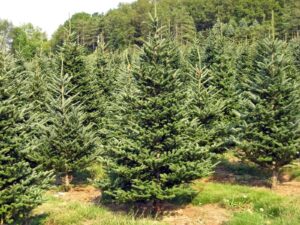

Caliper trees are nursery-grown trees measured by trunk diameter rather than height, making it easier to match size and age to your yard and budget. Choosing the right caliper tree for your landscape design means balancing immediate impact with long-term health, selecting species suited to Utah’s climate, and placing each tree to provide shade, structure, and curb appeal.
Adding caliper trees often makes the difference between a yard that looks “fine” and a landscape that feels intentional, welcoming, and complete. Instead of filling empty corners, the right trees frame your front entry, soften hard lines, and draw the eye to your favorite parts of the house.
When you carefully plan your landscaping with trees, you can create shaded sitting areas, add year-round privacy with evergreen trees, and build a layered tree landscaping design that changes beautifully with each season.
What are caliper trees?
Caliper trees are young, nursery-grown trees measured by the diameter of their trunk a few inches above the root flare. This measurement helps you compare size, age, and price so you can match your landscaping with trees that fit into your budget and timeline.
Smaller trees often establish faster, while larger ones provide immediate shade and presence, but require careful planting and aftercare. When you choose trees that fit your lot, soil, and long-term plan, your tree landscaping design looks intentional instead of crowded or bare.
How to choose the right caliper tree size
When selecting trees, start by considering how quickly you want your landscape to feel mature and how much time you have for maintenance. A 1.5- to 2-inch caliper tree is often the sweet spot for many front yards: it’s substantial enough to notice but still light enough to plant without heavy equipment. Larger trees, in the 2.5- to 3-inch range, provide more immediate shade and structure along driveways or patios, but they need deeper watering and careful staking as they get established.
Smaller caliper trees (around 1 to 1.5 inches) are a smart choice when you’re building a layered tree landscaping design with multiple specimens and shrubs. They’re easier to place precisely near beds, paths, or sitting areas without disturbing other features.
Evergreen trees with moderate caliper sizes work well as future privacy screens, ideally when planted in staggered rows and paired with ornamental grasses or flowering shrubs near the base of the trunk.

Steps for selecting calipers
- Think about the long-term layout
Picture how you want your tree landscaping to look in 5 to 10 years. Decide where you want shade, privacy, or a focal point, and where you still need open lawn for play or entertaining. Planning helps you avoid planting large trees too close to foundations, fences, or power lines.
- Match tree size to the space
In small front yards, one or two medium caliper trees will frame the house nicely without overwhelming it. In larger backyards, mix a bigger shade tree with smaller ornamental and evergreen trees to create depth and seasonal interest. If you are unsure, it’s usually better to go one size down than to overcrowd.
- Plan your tree landscaping design in layers
Start with your tallest trees as the “bones” of the yard, then add medium shrubs, perennials, and groundcovers around them. For example, you might pair an ornamental tree with a ring of low boxwood, then underplant with hostas or daylilies. With evergreen trees, add boulders, mulch, and hardy grasses at the base to keep things tidy and low-maintenance.
- Place trees thoughtfully
Use caliper trees to mark transitions: flanking a front walk, framing a porch, or softening a fence line. In backyard designs, a single tree can anchor a seating nook or fire pit, while a small grove might define the edge of a lawn. When landscaping with trees, always consider how shadows move across the yard during the day.
- Check utilities, sightlines, and setbacks
Before planting, verify property lines, call before you dig to locate underground utilities, and double-check visibility from your driveway and street. Your tree landscaping design should beautify your home, not block safe sightlines or crowd sidewalks.

Design ideas for landscaping with trees
Here are a few simple ideas for where to plant your calipers:
- Front yard framing: Place one caliper tree on either side of the front walk or slightly offset from the front door, then add a mulch ring, small shrubs, and seasonal flowers.
- Backyard destination: Use a single tree as a focal point for a bench or small gravel patio, with shade-tolerant perennials planted underneath.
- Privacy with evergreen trees: Plant a staggered line of evergreen trees along the back fence, then tuck in flowering shrubs and ornamental grasses to soften the line and attract birds.
- Corner anchors: In wide, empty corners, pair a medium caliper shade tree with a cluster of evergreens behind it and a bed of colorful perennials in front.
When planning your landscaping with trees, consider the hardscape, lawn, and planting beds to create a cohesive yard rather than a patchwork.

Caring for newly planted caliper trees
New calipers need extra attention in their first few years, especially in Utah’s dry climate. After planting, water deeply and slowly so moisture reaches the entire root ball and a little beyond it. A simple rule of thumb is to water roughly once or twice a week during the growing season, adjusting for rain, soil type, and tree size, then gradually tapering as roots establish.
A 2- to 3-inch layer of mulch around the base (kept away from the trunk) helps conserve moisture and regulate soil temperature.
Larger trees may need stakes for support, especially in windy areas. If you stake them, keep the ties loose so the tree can move a little, and remove the stakes after about a year. Prune only broken or crossing branches during the first season, and avoid heavy shaping so the tree focuses on root growth.
Common mistakes to avoid with tree landscaping
- Planting caliper trees too close to the house, driveway, or utilities.
- Choosing large species for small spaces to get quick shade.
- Skipping soil prep leads to poor root growth and slow establishment.
- Planting evergreen trees where they will eventually block views or crowd other plants.
- Forgetting to water deeply during the first few seasons, especially in late summer.
- Ignoring mature height and spread when planning out your landscaping.
A little planning will save a lot of pruning, removal, and frustration later.
Caliper trees that thrive in Utah
Along the Wasatch Front, our hot summers, cold winters, and periods of drought make species selection as important as caliper size. Deciduous trees that offer spring flowers, summer shade, and fall color are a great fit for front yards in Layton and neighboring Salt Lake communities. Evergreen trees provide year-round structure and wind protection, especially in more exposed backyards.
When you work with a local team, you can lean on real-world experience about which trees handle local soils, wind patterns, and municipal watering schedules best.
Let LaytonScape help you plan your landscape design
Well-placed trees change a plain yard into a warm outdoor space that looks great right away and keeps getting better as the trees age. Choose species that work with your environment, plan the layout carefully, give them proper care, and your trees will become an asset.
If you’re ready to add shade, privacy, or a focal point with evergreen trees or ornamental caliper trees, let LaytonScape help you choose sizes and placements that fit your home, your budget, and your long-term plans. Reach out to LaytonScape to start designing a tree plan that will keep your landscape looking great for seasons to come.