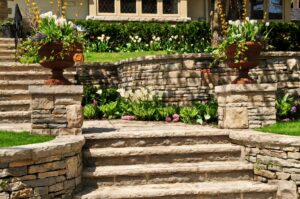

If part of your yard slopes toward the house, or a hillside lot leaves you with unusable ground, a well-built retaining wall can fix the problems. It holds back the slope, carves out flat, usable space, and gives the yard a finished look. But a wall that looks good the day it’s built isn’t worth much if it heaves or cracks two winters later.
Northern Utah’s clay-heavy soil and hard freeze-thaw cycles put more stress on a retaining wall than milder climates do, which is why these retaining wall tips are worth reading before you break ground.
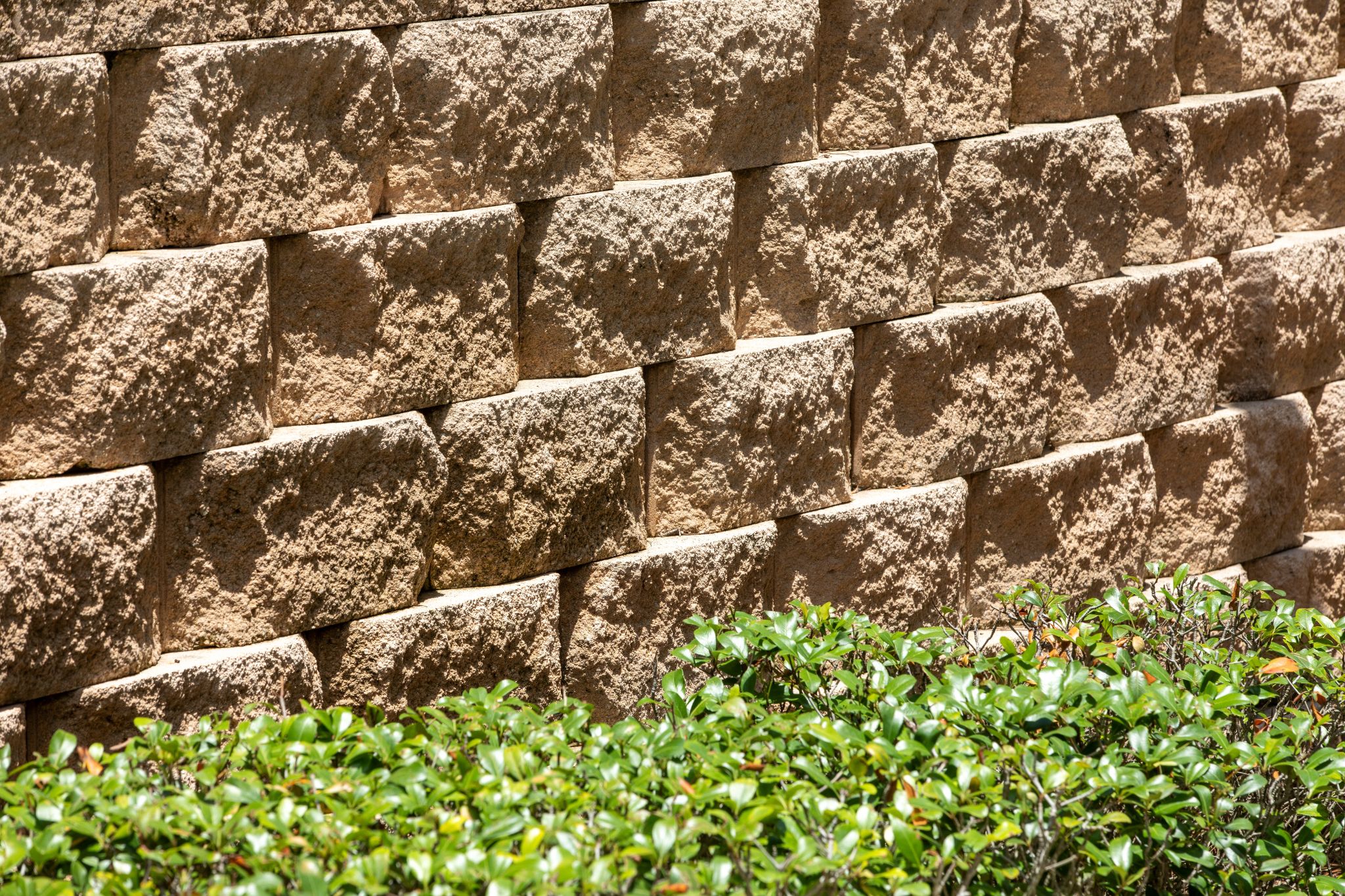
1. Know your local rules before you dig
Every city along the Wasatch Front handles retaining walls a little differently. Some require a permit once a wall reaches a certain height; others consider what lies above or below it, such as a driveway or a neighboring foundation. Rather than guessing, call your city’s building department or check with a landscaping retaining-wall contractor who already knows the local rules.
As a general rule, walls under about 4 feet are simpler to build and less likely to need an engineer’s review. Anything taller or any wall supporting a structure typically requires a permit and a stamped design.
2. Plan your drainage first, not last
Drainage is a big factor in how long a retaining wall lasts. Utah’s clay-heavy soil drains slowly, so water that would soak away in sandy soil instead sits and presses against the back of a wall until it weakens or fails outright.
A properly built retaining wall includes gravel backfill, a perforated drain pipe, and weep holes or an outlet so water has an escape route. This is also central to broader erosion control on a sloped lot. Plan drainage alongside the wall’s footprint, not as an afterthought once the wall is standing.
3. Build for Utah’s freeze-thaw cycles
Ground temperatures along the Wasatch Front repeatedly swing above and below freezing throughout winter, and that cycle is hard on hardscaping. Water trapped behind a wall expands when it freezes, pushing outward, then shifts back as it thaws. Over several winters, that movement can crack mortar joints, tilt block courses, and open gaps at the base.
The fix starts below ground: set the footing deeper than the frost line so seasonal freezing can’t heave it. Above ground, use joint materials rated for freeze-thaw exposure to help the wall resist the annual freeze-thaw cycle.
4. Don’t limit your design to a straight line
Retaining wall design has come a long way from a single straight run of block. Curved walls, stepped tiers, and walls that double as benches or planter boxes are all common options, and they open up more usable yard space than a flat retaining structure.
If you’re picturing something beyond a basic straight wall, talk through the options with your contractor early. Curves and tiers change the engineering, so plan for them from the start.
5. Choose the right material for your project
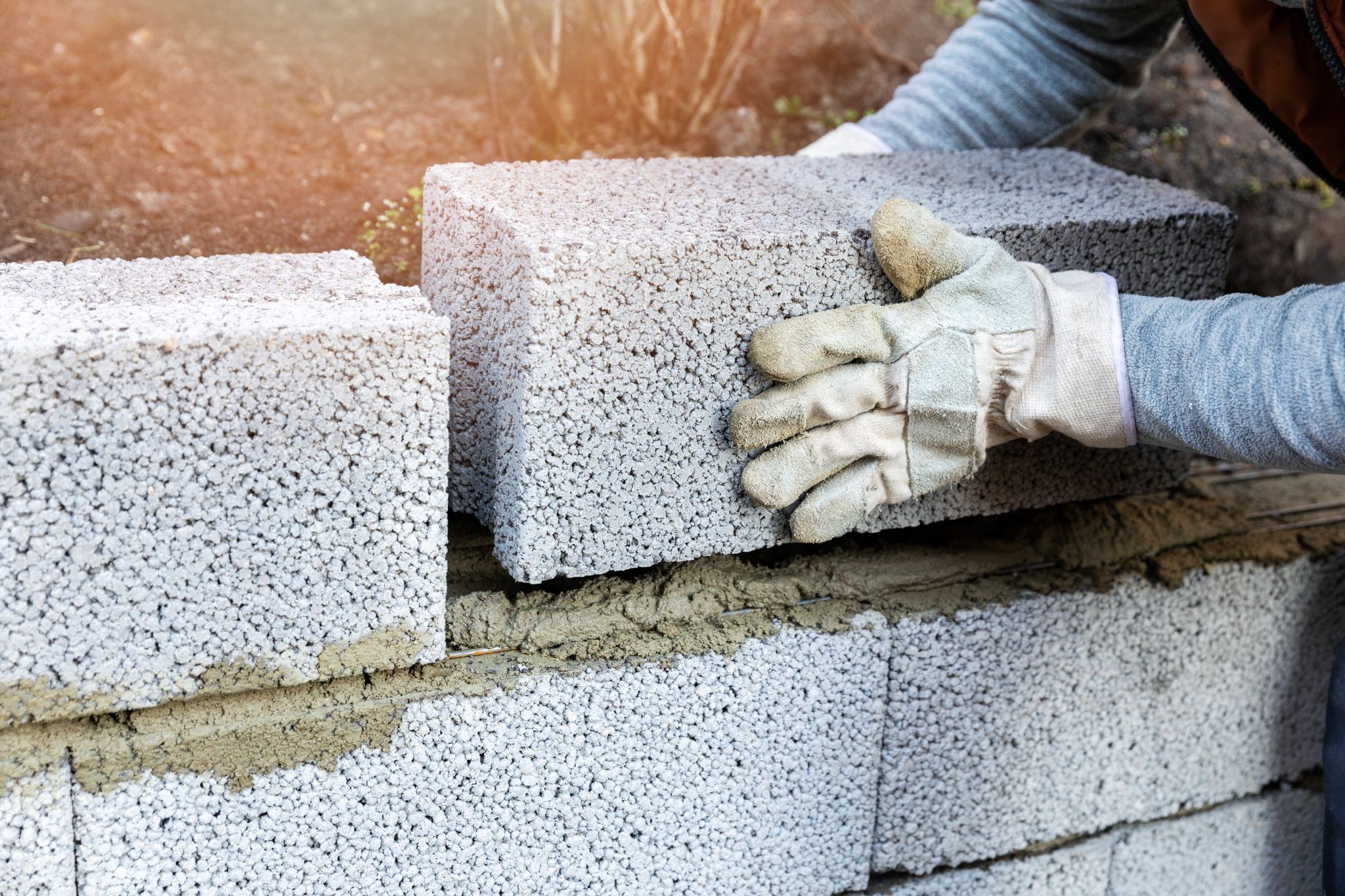
Garden retaining walls come in concrete blocks, poured concrete, natural stone, boulders, brick, or wood, and each fits a different budget and look. Interlocking concrete block is the most common choice for walls under 4 feet because it installs quickly without mortar.
Natural stone and boulders cost more but blend into a natural landscape, while wood suits a rustic, low-budget wall but won’t last as long in wet, clay-heavy soil.
| Material | Typical cost per sq. ft. installed | Durability | Best for |
| Poured concrete | $6–$8 | Very high | Tall or engineered walls |
| Interlocking concrete block | $15–$35 | High | Most retaining walls under 4 feet |
| Natural stone or boulders | $25–$50 | High | Natural-looking, high-visibility walls |
| Wood or landscape timbers | $10–$25 | Moderate | Rustic, short-term, or budget-friendly walls |
Cost figures are based on national material pricing from Angi and will vary by region, wall height, and site access.
6. Let the wall reflect its surroundings
The best-looking landscaping retaining walls don’t fight the surrounding landscape; they blend into it. A wall built from red sandstone can echo the red-rock tones found in parts of northern Utah, while rough granite or fieldstone ties in nicely with a mountain-view lot. Matching material and color to nearby hardscaping and terrain makes the yard feel intentional rather than pieced together.
It’s also worth planning plantings along the wall’s top or base. Drought-tolerant, deep-rooted plants soften the edges and help hold soil in place, which pairs well with the Wasatch Front’s dry summers.
7. Bring in a professional for anything beyond a short wall
A low garden retaining wall under a couple of feet is a reasonable do-it-yourself weekend project. Once a wall climbs past that height, or holds back a slope near a home’s foundation or driveway, the stakes go up. A wall that fails can damage what’s above or below it, and repairs often cost more than building it right the first time.
An experienced retaining wall contractor can also spot site issues a homeowner might miss, such as a hidden spring or unstable fill soil.
Frequently asked questions
What is the 1/3 rule for retaining walls?
The 1/3 rule is a rule of thumb for wall stability: the base should be roughly one-third to one-half as wide as the wall is tall, tapering to a narrower width toward the top. A wider base spreads soil pressure over a larger surface area, which is why taller walls need a proportionally wider footing than shorter ones.
Does a 3-foot retaining wall need drainage?
Yes. Even a modest 3-foot garden retaining wall holds back enough soil to build damaging water pressure if there’s no escape route. Gravel backfill and a drain pipe or weep holes are standard on walls of any height.
What are common retaining wall mistakes?
The most frequent mistakes with landscaping retaining walls are skipping drainage, backfilling with native clay instead of gravel, and setting the base too shallow for the local frost line.
Building too tall without an engineer’s input and choosing a material that doesn’t suit the site’s soil are also common mistakes.
What happens if you build a retaining wall without a permit?
Consequences vary by city but can include a stop-work order, fines, or a requirement to tear out and rebuild the wall to code. It may also complicate a future home sale, since unpermitted structures must often be disclosed. Checking with your city before construction avoids all of this.
Trust LaytonScape with your retaining wall
LaytonScape offers comprehensive retaining wall design and installation for your unique landscape needs. With decades of experience building for the Wasatch Front’s soil and climate, our team ensures your wall lasts long after installation day. Don’t let a sloped or unusable yard hold you back. Contact LaytonScape today for a design consultation.