

Most residential sprinkler systems perform best when you bury pipes six to 12 inches below the soil surface, deep enough to protect lines from routine yard work but shallow enough to access for repairs. Ideal sprinkler depth varies with climate, soil type, and local codes. It supports watering lawns properly without risking freeze damage or broken lines.
Utah homeowners want green grass without wasting water, dragging a hose around the yard, or constantly fixing broken irrigation lines. The catch is that if you guess on sprinkler depth, you risk leaks, poor coverage, or major digs later. Too shallow, and a routine aeration or shovel can puncture a pipe; too deep, and repairs become a major project.
In this guide, we will walk you through practical sprinkler depth guidelines, the factors that affect the depth of your lines, and how proper installation helps with watering lawns efficiently across northern Utah. You’ll also learn when to call in a pro before you start digging into your yard.
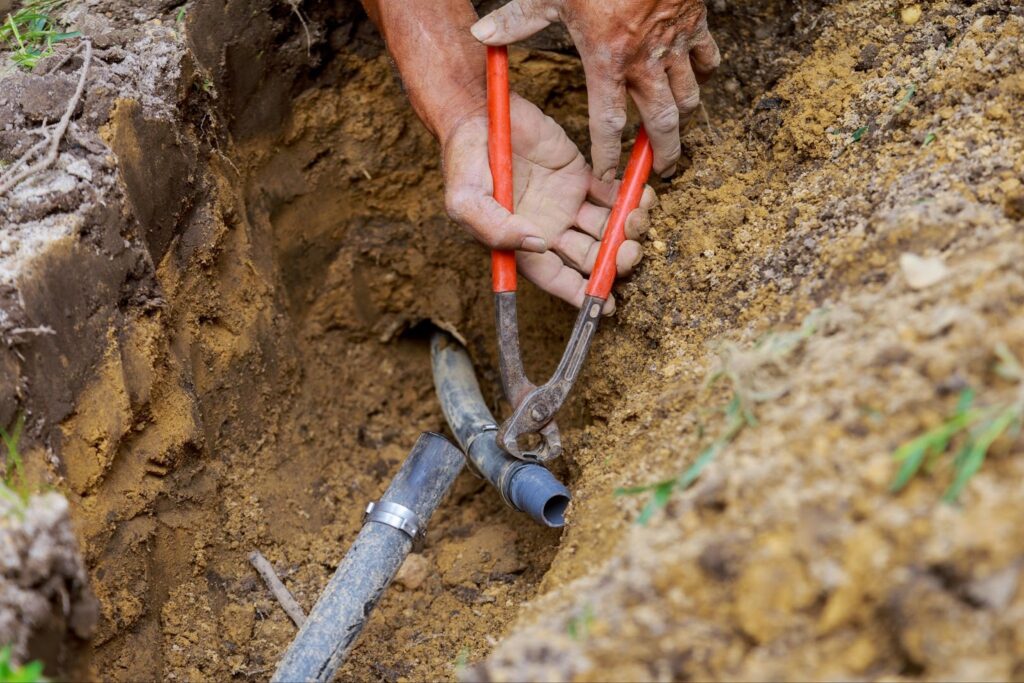
What does sprinkler depth mean
Sprinkler depth is primarily about protection. When water sits too close to the surface, even small amounts left in the lines can freeze, thaw, and refreeze, slowly expanding until pipes crack or fittings split. Burying sprinkler systems between six and 12 inches deep provides remaining water insulation from temperature swings and reduces the risk of burst lines during cold snaps.
That same depth also keeps components deep enough that mowing, edging, and routine yard work don’t damage them, while still allowing access if your system needs repairs or upgrades. That balance is important when watering lawns in Utah’s mix of clay-heavy soils, sloped yards, and seasonal freezes.
In high-traffic areas or colder zones, go toward 12 inches; in milder spots, 6 to 8 inches often suffices. Always factor in your sprinkler systems’ head height and future aeration when watering lawns.
Step-by-step guide to planning how deep to put your sprinklers
1. Confirm local codes and frost conditions
Before digging, check whether your city or county has rules that affect sprinkler systems, including requirements for backflow prevention devices or minimum depths near sidewalks and streets. In colder Wasatch Front pockets, frost considerations may push sprinkler depth toward 12 inches for key lines.
2. Choose your sprinkler heads and layout
Different heads sit at different heights after installation, which affects sprinkler depth. A 4-inch pop-up needs less depth than a 6-inch head to end up flush with turf.
3. Set a target trench depth
Most residential systems bury lateral lines eight to 12 inches deep, below the root zone, but high enough for heads to pop up freely. Deeper sprinkler depth protects high-traffic areas from compaction.
4. Adjust for soil type and yard use
Sandy soils may need slightly deeper lines against erosion; clay-heavy northern Utah soils allow standard depths with good cover for aeration.
5. Account for aeration and landscaping work
Keep pipes at least six inches deep to avoid aerator punctures. Set sprinkler depth with future maintenance in mind.
6. Check head height relative to the final grade
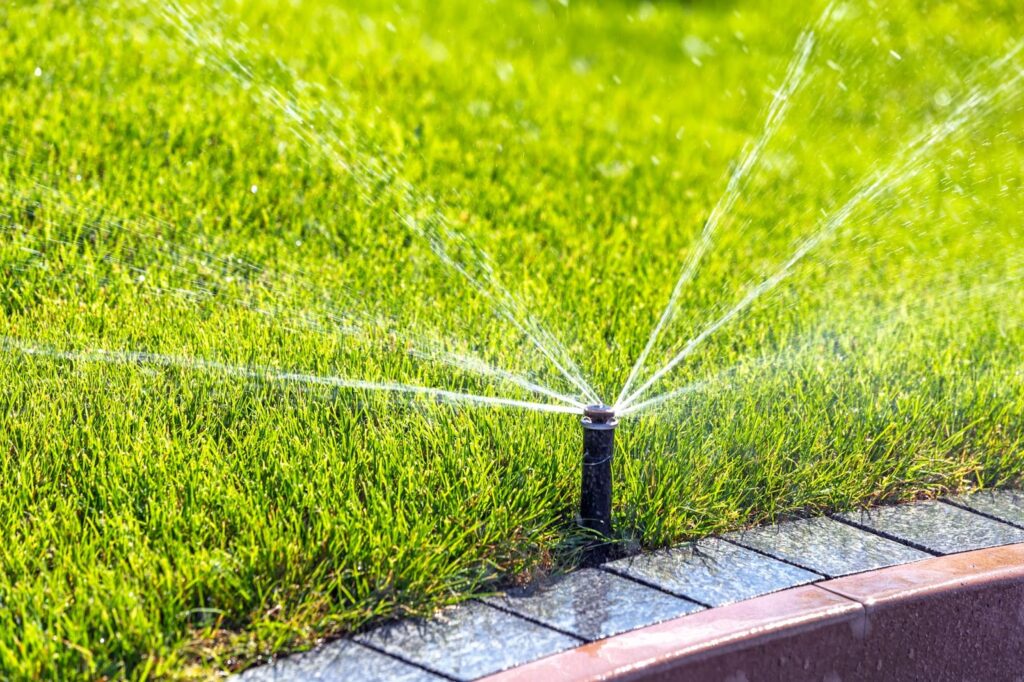
Backfill so heads sit flush or slightly above the soil after sod or seed. Incorrect sprinkler depth results in poor lawn coverage when watering.
7. Test coverage and make final adjustments
Run zones post-install and tweak backfill for even performance.
Why sprinkler depth matters
- It protects pipes from mowing, edging, and core aeration.
- Correct depth reduces the risk of damage during landscaping or planting.
- It improves head pop-up for efficient watering of lawns.
- It stabilizes lines against freezes.
- It simplifies repairs without excessive digging.
- It extends the lifespan of sprinkler systems.
Common sprinkler depth mistakes to avoid
- Burying lines only a few inches deep leaves them vulnerable to shovels or aerators.
- Putting them in over-deep trenches that complicate repairs.
- Sprinkler heads that are too high pose a hazard.
- Ignoring the final turf height, burying the heads in thatch.
- Uniform depth across varied soils or slopes.
- Overwatering to fix poor coverage from bad sprinkler depth.
Data and research on sprinkler systems and depth
- Utah watering guides from the Center for Water-Efficient Landscaping at Utah State University recommend the cycle-and-soak method — splitting run times into 3 cycles with 30- to 45-minute pauses — to reduce lawn runoff by up to 50%.
- According to Angi, residential sprinkler lines are typically between six to 12-inches deep, with eight to 12 inches recommended by most professionals for protection against lawn equipment and light freezes.
Recommended tools and system components
- Trenching tools or a walk-behind trencher.
- Depth gauge and measuring tape.
- PVC or poly pipe for your pressure/flow.
- Pop-up heads matched to turf.
- Line flags for future digs.
FAQ
How deep should residential sprinkler lines be?
Most bury them six to 12 inches deep for protection and access. Sprinkler depth varies by soil, climate, and use.
Do sprinkler systems need to be below the frost line?
Main lines may freeze in extreme cold, but most systems winterize between six and 12 inches.
Will aerating damage sprinkler lines?
Shallow pipes are prone to punctures, which is why six-plus inches of depth and markings protect them.
How does sprinkler depth affect watering lawns?
Incorrect depth causes heads to misalign, resulting in uneven water coverage.
Can I change sprinkler depth after installation?
Yes, by re-trenching sections, pros like LaytonScape handle it efficiently.
Before you dig, know what’s below
Before you take a shovel to your yard, you need to know the location of the existing utilities and sprinkler systems. In the United States, you can dial 811 to connect with your local “call before you dig” service, which will arrange for utility locates on your property.
You can also visit 811beforeyoudig.com for state-specific information and timing guidelines. Once utilities are marked, use flags, as-built plans, or a professional inspection to identify your current sprinkler depth and line paths. Taking these steps first helps you avoid costly damage and makes any changes to your system safer and more predictable.
Set your sprinkler system up right with LaytonScape
Proper sprinkler depth is one of the simplest ways to protect your irrigation system, avoid surprise leaks, and keep lawn watering efficient season after season. When you bury lines at the right depth, and heads sit flush with the turf, you’re going to get even coverage without constant repairs or guesswork.
If you’re planning a new installation, looking to fix recurring problems, or need help with your current sprinkler system, the LaytonScape team is ready to assess existing lines and recommend the best approach for your yard and budget. Reach out to LaytonScape to schedule a consultation for sprinkler system installation, adjustments, or repairs so you can enjoy a healthier, easier-to-maintain lawn.